 Strand & Story
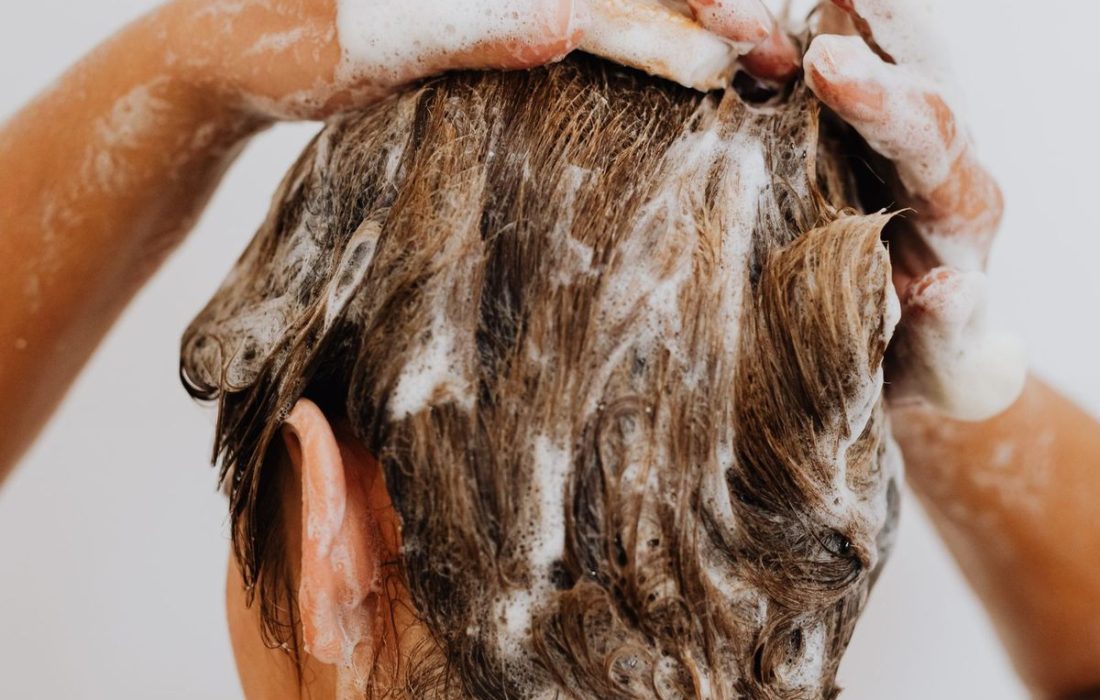
Somebody on the internet is always confidently insisting there’s one correct washing schedule, daily, twice a week, once a week, and somebody else is just as confident it’s wrong. The truth is there’s no universal number, because wash frequency depends on factors that are specific to you, not a rule that applies the same way to every head of hair.
What actually determines how often you should wash
- Scalp oil production. Some scalps produce sebum quickly and need more frequent washing to avoid feeling greasy or weighed down. Others produce very little and can comfortably go much longer between washes.
- Hair texture and type. Straighter, finer hair tends to show oil faster because there’s less texture to disguise it and oil travels down the shaft more easily. Coarser or curlier hair often masks oil longer and can dry out faster with frequent washing.
- Activity level. Heavy sweating from exercise or humid conditions can call for more frequent washing regardless of your usual hair type, just to keep the scalp comfortable.
- Styling habits. Heavy product use, dry shampoo buildup, or frequent styling that requires reshaping can all push your realistic washing frequency higher than someone with a low-maintenance routine.
- Water hardness and shampoo formula. Hard water and certain cleansing ingredients can affect how quickly hair feels like it needs another wash. Knowing what’s actually in your shampoo can clarify whether your current frequency is a hair issue or a product issue.
Signs you might be washing too often
- Hair feels dry, rough, or static-prone shortly after washing.
- Your scalp feels tight or irritated rather than simply clean.
- Color-treated hair is fading faster than expected.
Signs you might not be washing often enough
- Hair feels noticeably greasy or limp within a day of washing.
- There’s visible buildup or flaking at the scalp that doesn’t resolve with a basic rinse.
- Styles fall flat quickly because of accumulated oil weighing down the roots.
Finding your actual number
Rather than adopting someone else’s schedule, pay attention to your own scalp over a couple of weeks. Stretch a day longer between washes than you normally would and notice how your scalp and hair respond. If it’s uncomfortable well before the next scheduled wash, you’ve found a lower bound. If it’s still comfortable, you may be washing more often than you need to.
This connects directly to broader scalp health, since over-washing and under-washing both show up as scalp symptoms before they show up anywhere else. Your scalp is usually the most honest signal you have, more reliable than any general rule you’ll find online.
The practical takeaway
There isn’t a correct universal washing frequency, there’s a correct frequency for your scalp, your hair type, and your lifestyle, and it might not match what works for anyone else you know. Use your own scalp’s signals to adjust gradually rather than committing to a number you read somewhere without testing whether it actually fits you.