 Strand & Story
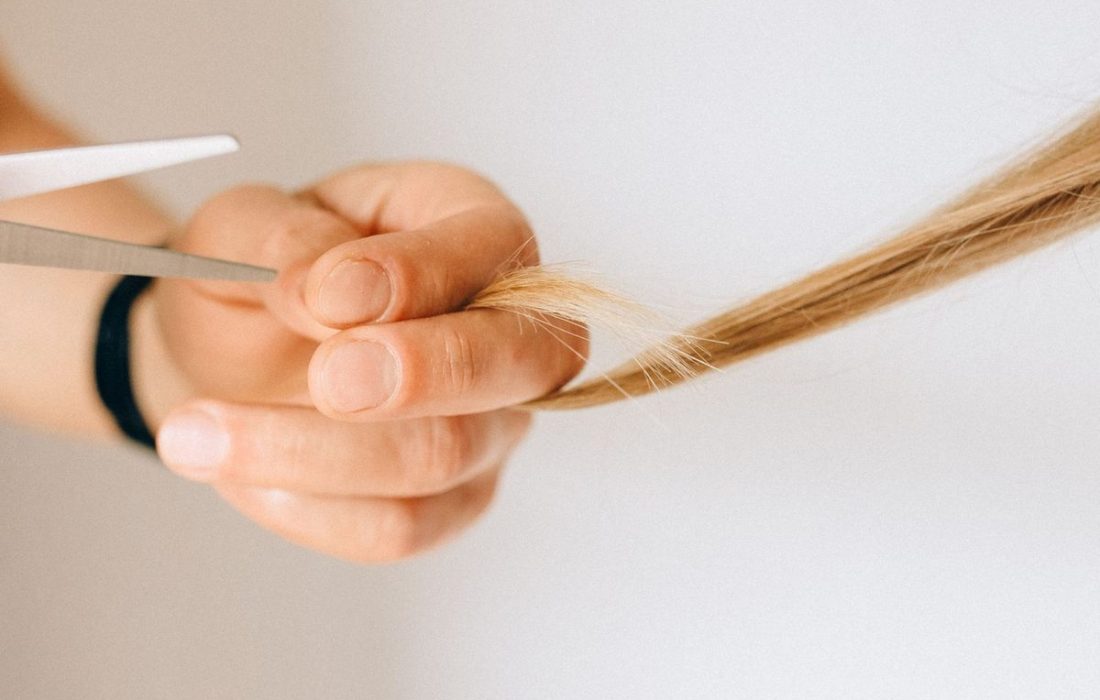
A hairstylist telling you to “just chop it off” is the fastest fix for heat damage. It is not the only fix, and it’s not always necessary. If the idea of losing several inches makes you want to avoid the salon altogether, there’s a more realistic, staged way to handle this.
What heat damage actually looks like
Heat damage isn’t one single thing, it’s a spectrum. Structurally, here’s what’s happening:
- The cuticle, the protective outer layer of each strand, gets raised or stripped away by repeated high heat.
- The hair loses protein from the inner structure, which is part of what gives hair its strength.
- Elasticity drops, so hair that used to stretch and bounce back now feels stiff or “straw-like” when you tug it gently.
The straw-like feeling is the tell. Healthy hair has some give. Heat-damaged hair often feels dry and brittle even right after conditioning, because the damage is structural, not just a surface dryness problem.
What you can actually fix versus what only a trim resolves
This is the distinction most advice skips. Some heat damage responds to routine changes. Some doesn’t, and pretending otherwise just wastes time and product.
Improvable with consistent care:
– Moisture and protein imbalance, since alternating the two types of treatment can restore some flexibility and softness.
– Heat frequency, since simply reducing how often you use hot tools gives existing hair a chance to stop accumulating new damage.
– Mechanical stress, since gentler handling (wide-tooth combs, soft hair ties, less aggressive towel-drying) reduces additional breakage while the hair recovers what it can.
Permanent, and only a trim resolves it:
– Split ends, once a strand has actually split, no product reattaches it.
– Fully fused or melted ends from extreme heat exposure, which look uneven and won’t smooth out no matter what you apply.
If your ends are visibly split or feel gummy when wet rather than just dry, that’s a sign the damage has crossed from “improvable” into “needs a trim” territory. If you’re not sure which category you’re in, it helps to first sort out the difference between dry hair and damaged hair, since the two get treated very differently.
A realistic at-home routine adjustment
You don’t need a dramatic overhaul, just a few targeted changes:
- Alternate moisture-focused and protein-focused treatments instead of only reaching for one or the other. Hair that’s both dry and protein-deficient needs both, not just more of whichever you have on hand.
- Lower your tool temperatures, especially if your hair is fine or already showing damage. Higher heat isn’t doing your style any favors if it’s also accelerating the problem.
- Build in heat-free days every week. Air-drying or low-heat styles a few days a week genuinely reduces cumulative stress on the hair shaft.
- Make a heat protectant routine a non-negotiable step on the days you do use hot tools, applied correctly rather than as an afterthought.
The practical takeaway
Heat damage doesn’t reverse overnight, and it’s not supposed to. Give a routine change four to six weeks before judging whether it’s working, and accept that a small trim of the most damaged inch or two might still be part of the plan even if you’re not cutting it all off. Managing expectations here matters more than finding a miracle fix, because there isn’t one.